PTSD Awareness Day is observed every year on 27 June and serves to provide community members with more information about an invisible, but common condition.
Post-traumatic stress disorder (PTSD) is the second most common mental health condition in Australia, with depression being the first. Common misconceptions lead people to assume that it’s likely only something that happens to veterans, however, it can happen to anyone and for myriad reasons.
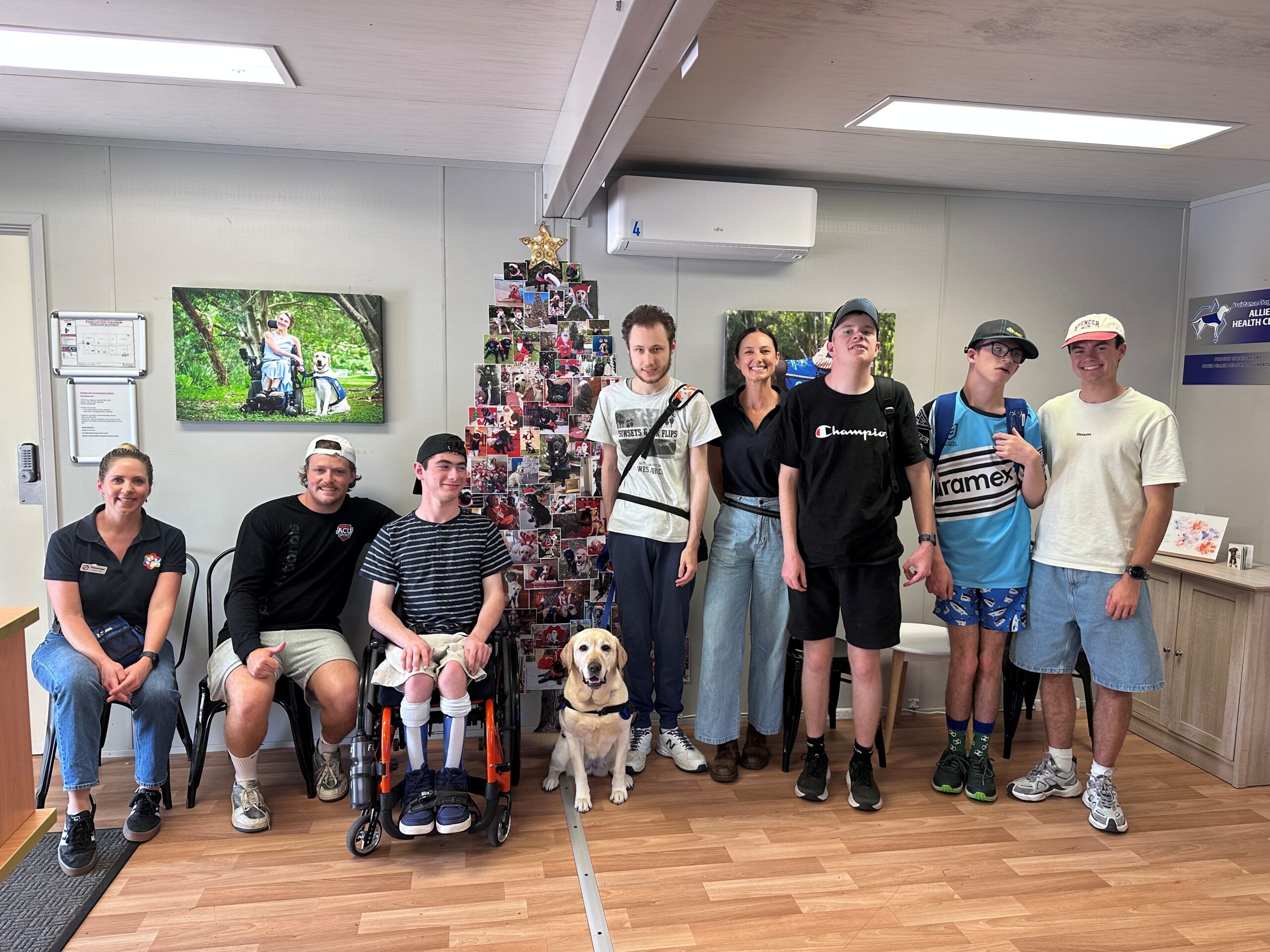
Assistance Dogs Australia (ADA) feels passionately about finding manageable solutions to empower people with PTSD and increase their independence. Removing the stigma and speaking openly about it is no easy task, but an important one on the road to helping more people.
Invisible illness and disability are often overlooked and this PTSD Awareness Day, we hope to share some information about the condition and how it affects people. Common symptoms include low mood or depression, severe anxiety, reactivity and being easily agitated, nightmares and dissociation. Some people with severe PTSD struggle to leave the home for days at a time.
How do Assistance Dogs help people with PTSD?
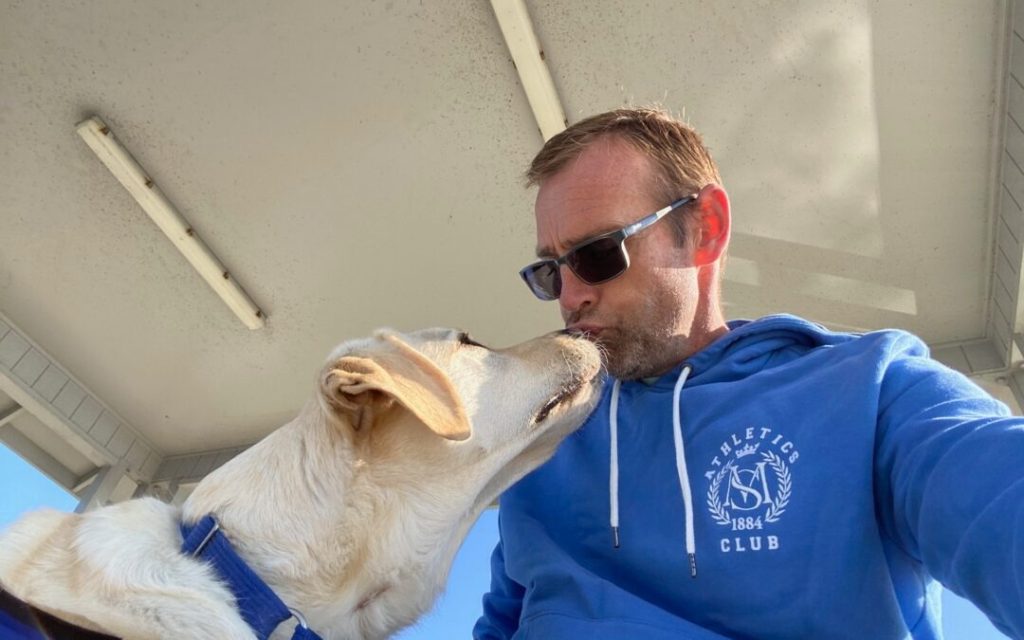
One of the programs that ADA has for clients with disability is providing PTSD Assistance Dogs. These dogs are trained to recognise when their handlers are reexperiencing trauma or experiencing distress, often before their handlers can feel it themselves. Cues taught in Advanced Training (over a period of four to six months after the age of 14 months) that support people with PTSD include:
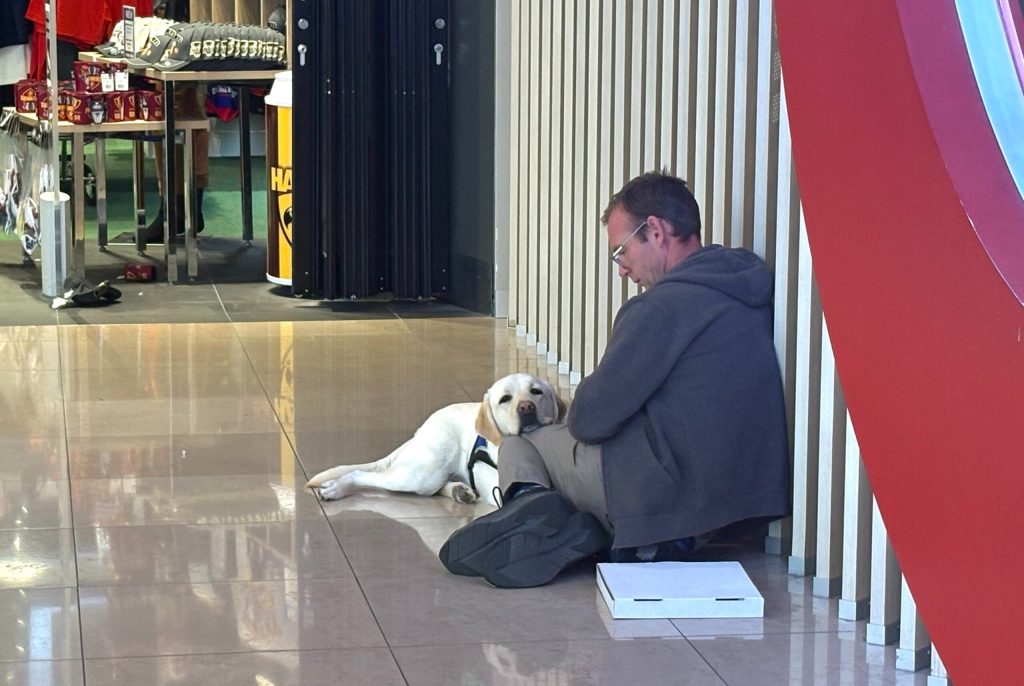
- Positioning cues, which allow the handler to position the dog as needed to create space for themselves in public or crowded places. This allows for an increased sense of security and encourages community engagement.
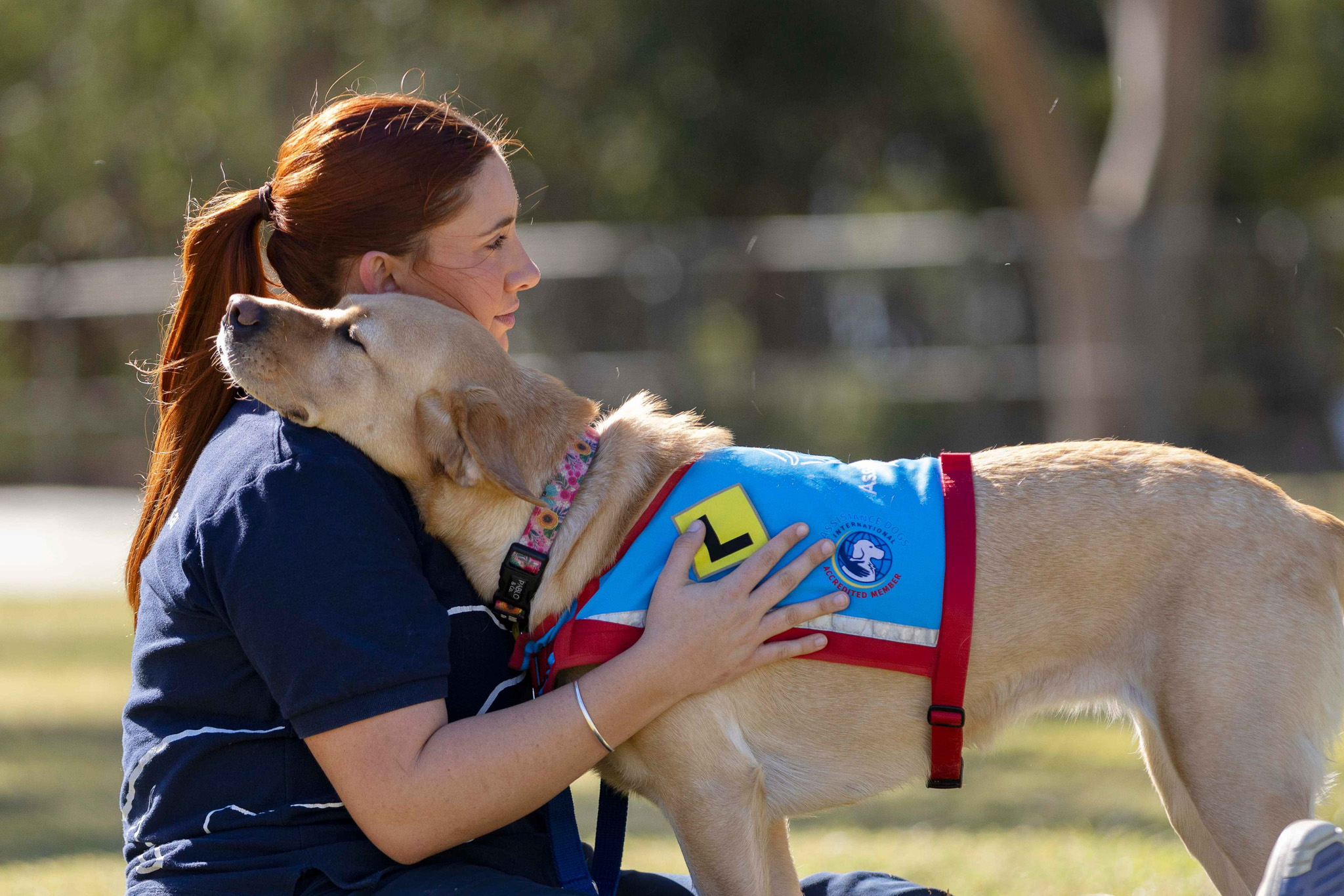
- Contact cues, which allow the handler to request physical contact from their dog. This facilitates grounding, mindfulness and gives them something to focus on.
- Nightmare interruption, which allows the dog to recognise signs of distress in sleep, or immediately after waking and provide support for calming down.
These special dogs are selected because of their temperament and matched carefully with clients who will most benefit from their grounding presence so that the impact of their PTSD symptoms can be reduced.
Assistance Dogs help reduce the impact of their handler’s PTSD symptoms and can improve their quality of their day-to-day life by providing constant reassurance and support. Internationally accredited Assistance Dogs have essential Public Access Rights that are protected under federal law, because moments of distress can happen anywhere at any time.
We encourage all of our supporters to learn more about how they can better support their loved ones who have PTSD. And for readers with PTSD to reach out for support from family members, or to take a look at the resources available at the Black Dog Institute. You’re not alone. Help is available. And we’re working towards a world where more people have their PTSD symptoms reduced, one Assistance Dog at a time.